


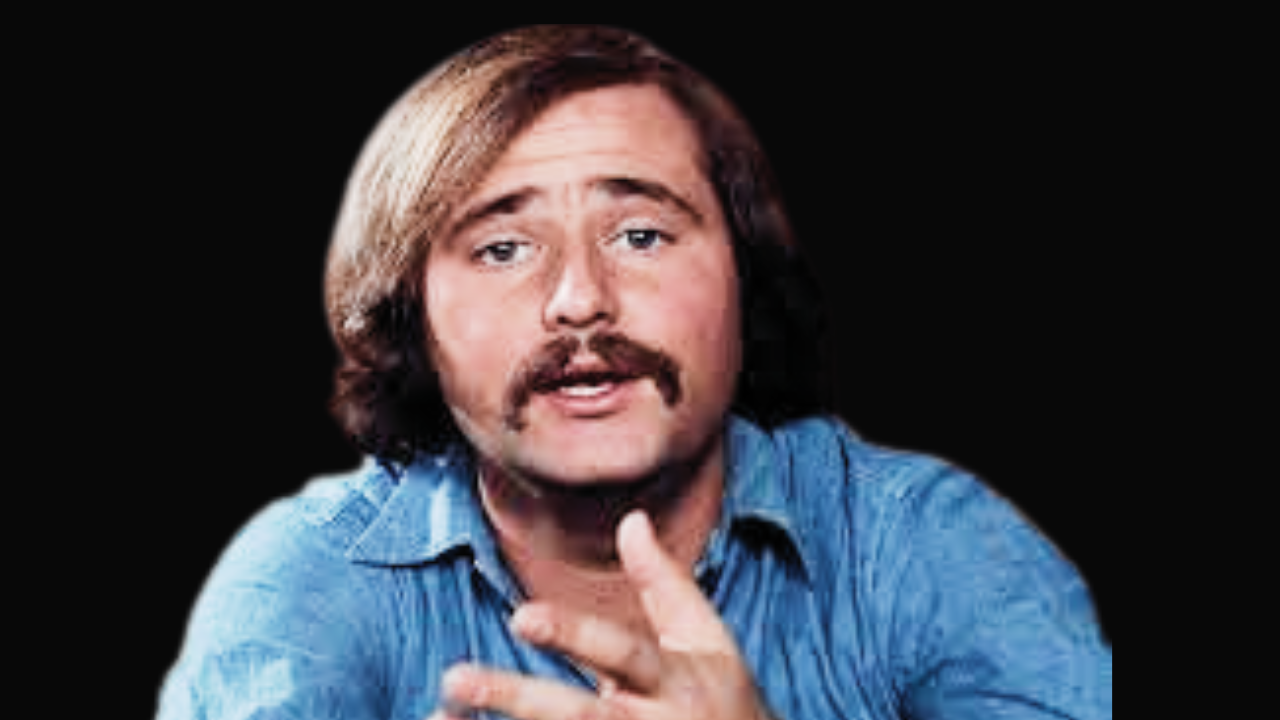
Rob Reiner, the Emmy-winning actor, groundbreaking director, and outspoken activist whose work reshaped American comedy and cinema, was found dead in his Los Angeles home on December 14, 2025, alongside his wife of 36 years, Michele Singer Reiner. The 78-year-old filmmaker and his 68-year-old spouse were victims of an apparent homicide by stabbing, according to Los Angeles Police Department officials, who described the discovery as a devastating blow to Hollywood. As investigations continue, tributes pour in for a man whose career spanned decades of laughter, heart, and unflinching social commentary.
Born Robert Norman Reiner on March 6, 1947, in New York City, he was the son of comedy legends Carl Reiner and Estelle Reiner, immersed from childhood in the world of show business. 9 Raised in New Rochelle, New York, young Rob attended UCLA Film School, honing a passion for storytelling that would define his legacy. His early acting gigs were modest—bit parts in Batman, The Andy Griffith Show, and Gomer Pyle, U.S.M.C.—but writing for The Smothers Brothers Comedy Hour alongside Steve Martin sharpened his satirical edge.
Reiner’s breakthrough came in 1971 as Michael “Meathead” Stivic on Norman Lear’s All in the Family, a groundbreaking sitcom that tackled racism, feminism, and class warfare with biting humor. As the liberal son-in-law to bigoted Archie Bunker, Reiner earned two Primetime Emmys and five Golden Globe nods, propelling the show to No. 1 ratings for five straight seasons. The role typecast him as the quintessential ’70s everyman, but Reiner parlayed it into a directing career that birthed classics.




Transitioning behind the camera, Reiner founded Castle Rock Entertainment and unleashed a string of hits. His 1984 debut, This Is Spinal Tap, a mockumentary on a hapless rock band, became a cult phenomenon, inspiring generations of satire. He followed with Stand by Me (1986), a poignant coming-of-age tale based on Stephen King’s novella, earning raves for its tender exploration of boyhood friendship. The Princess Bride (1987) blended fairy-tale romance, swashbuckling adventure, and postmodern wit, while When Harry Met Sally… (1989) redefined rom-coms with Meg Ryan’s iconic deli scene and Billy Crystal’s wry charm.
The ‘90s solidified his status: Misery (1990) delivered Kathy Bates an Oscar for her chilling portrayal of obsession, and A Few Good Men (1992) featured Jack Nicholson’s thunderous “You can’t handle the truth!” courtroom showdown, netting a Best Picture nod. Later films like The Bucket List (2007) and Flipped (2010) showcased his range, blending humor with humanism. Reiner’s final directorial effort, Spinal Tap II: The End Continues (2025), released just months before his death, reunited the original cast for a nostalgic send-off.
Personally, Reiner’s life mirrored his films’ warmth. Married first to Penny Marshall (1971–1981), with whom he adopted daughter Tracy, he wed producer Michele Singer in 1989. Together, they raised sons Jake and Nick, and daughter Romy, while co-founding nonprofits like the I Am Your Child Foundation. 9 Their Brentwood home, scene of the tragedy, symbolized a partnership as enduring as Reiner’s onscreen loves.
Reiner’s death—discovered after a 3:30 p.m. medical call to the Los Angeles Fire Department—has stunned the industry. Homicide detectives comb the upscale neighborhood, vowing justice and police arrested and charged his troubled son, Nick, with the double murder. Such a horrific ending for someone who brought so much joy to American audiences through the years.
Yet amid the horror, Reiner’s legacy endures: a body of work that captured the absurdities and affections of life, reminding us, as in When Harry Met Sally…, that men and women can, indeed, be friends—and legends.